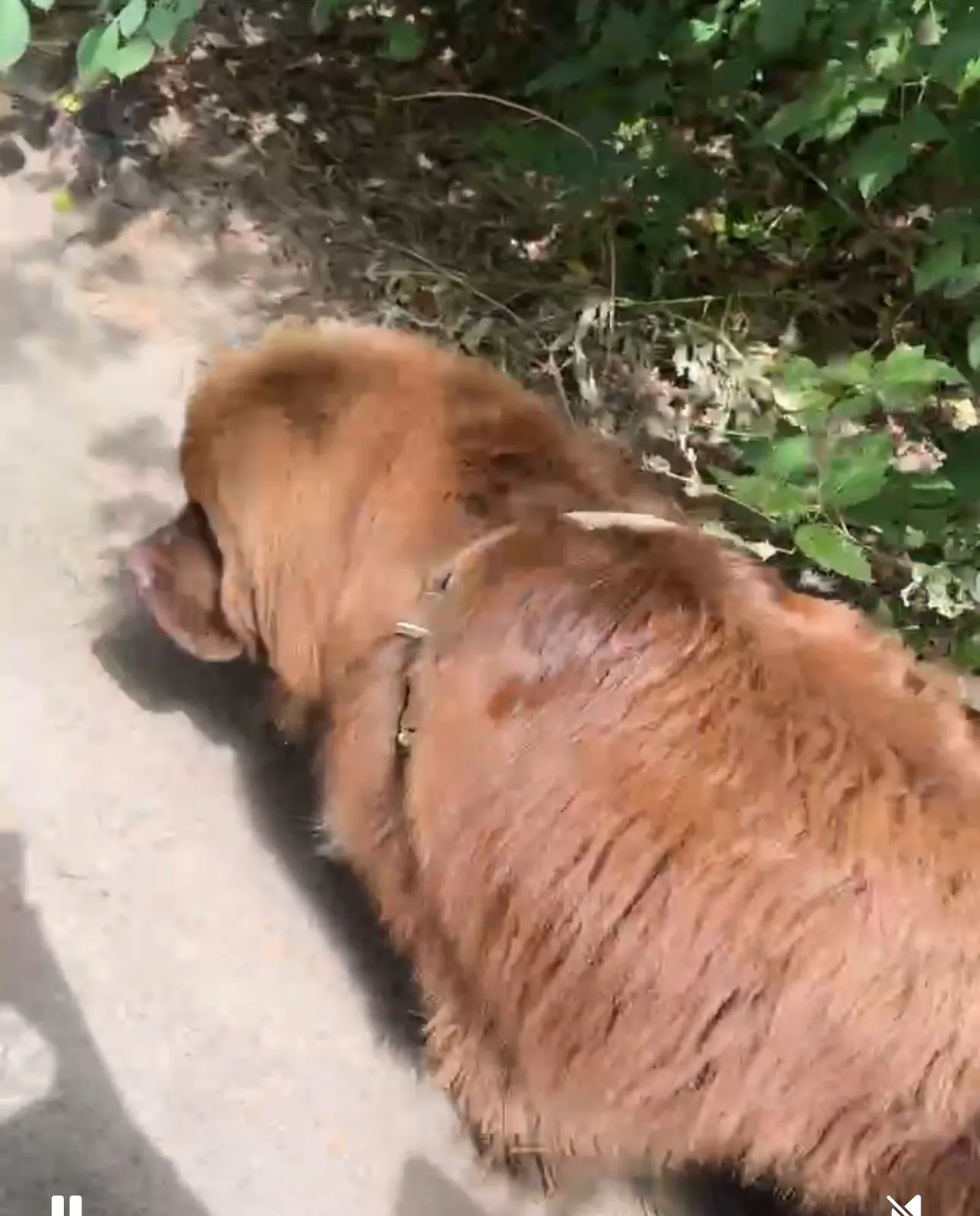


There are kinder ways to walk, and a well-fitted no-pull harness is one of them.
Skip to product information


Harness NoPullPro™
Sale price
$69.90 AUD
Regular price
$79.90 AUD
Guarantee: Try NoPullPro™ for 90 days, love it or get your money back—no questions asked!

- Does the first step of every walk yank your arm and snap the lead tight?
- Do you hear that cough on walks when your dog hits the end of the lead?
- Dreading the stares and awkward sidesteps on your walks?
- Getting mixed advice that makes your walks worse?
- Bringing the tension home after every walk?
- Avoiding walks because they feel stressful?
- Do your walks feel more tug-of-war than bond?
- Are the hidden costs of these walks piling up?

From tug-of-war to calm strolls
If your dog pulls, every walk can feel like a battle. With the chest clip option, this harness gently redirects their energy so you can enjoy relaxed walks from day one.

Walks that feel effortless
No more straining, no more sore arms. Clip the lead at the front and watch pulling disappear in most cases. You’ll both look forward to every outing again.

Train better habits for life
Use the harness to guide your dog into walking calmly by your side. Once they’ve learned, you can switch back to a collar or back clip, knowing your walks will stay peaceful.
Is a no-pull harness the right solution for your dog?
What is a no-pull harness?
A body harness with an attachment point at the chest that steers pulling energy sideways rather than straight ahead.
How does it reduce pulling?
Clipping the lead to the chest redirects the dog’s momentum back towards you, making pulling inefficient and encouraging loose-lead walking.
Will it stop pulling immediately?
Often you’ll feel an instant difference, but lasting change comes from pairing the harness with a simple loose-lead routine and rewards for checking in.
Is a no-pull harness right for my dog?
Yes for most pet dogs that pull on walks, from adolescents to adults. It’s a kind, everyday option that avoids throat pressure from collars. You can give it a try and return your harness within 30 days if you do not get the results you were hoping for.
When might it not be enough on its own?
If your dog is highly reactive, extremely anxious, or very strong, you’ll likely need the harness plus consistent training (and a trainer if needed).
Is it suitable for puppies or senior dogs?
Generally yes. Choose a light, comfy fit for pups and adjust carefully for seniors so movement isn’t restricted.
What about strong pullers or big breeds?
Choose a sturdy build with good adjustability. Many owners also use a two-point lead (chest and back) for extra control if the harness supports it.
How should it fit?
Measure girth behind the front legs. Adjust so it’s snug with space for two fingers under the straps. Nothing should rub the armpits or press on the throat.
Will it chafe or restrict movement?
A correct fit should clear the shoulder and armpit area and distribute pressure across the chest. If you see rubbing, loosen slightly or size up.
Do I need a special lead?
A standard flat lead works. Avoid extendable leads while training.
Can I use it for running or hiking?
Yes, provided the fit is secure and comfortable. Check straps before longer outings and take breaks in warm weather.
What if my dog tries to back out?
Tighten the fit within comfort, keep the lead short and relaxed, and reward forward focus.
Is a no-pull harness humane?
Yes. It avoids throat pressure and relies on gentle redirection, unlike choke or prong devices that tighten or pinch.
What results should I expect over time?
Easier starts to walks, fewer lunges, and more check-ins. Consistency matters—small calm wins add up day by day.
What if my dog still pulls after a few weeks?
Review the fit, shorten the lead, reward every slack-lead moment, and practise in low-distraction areas first.